


Ciudadanía Naturalización
Naturalización vs. Ciudadanía Derivada
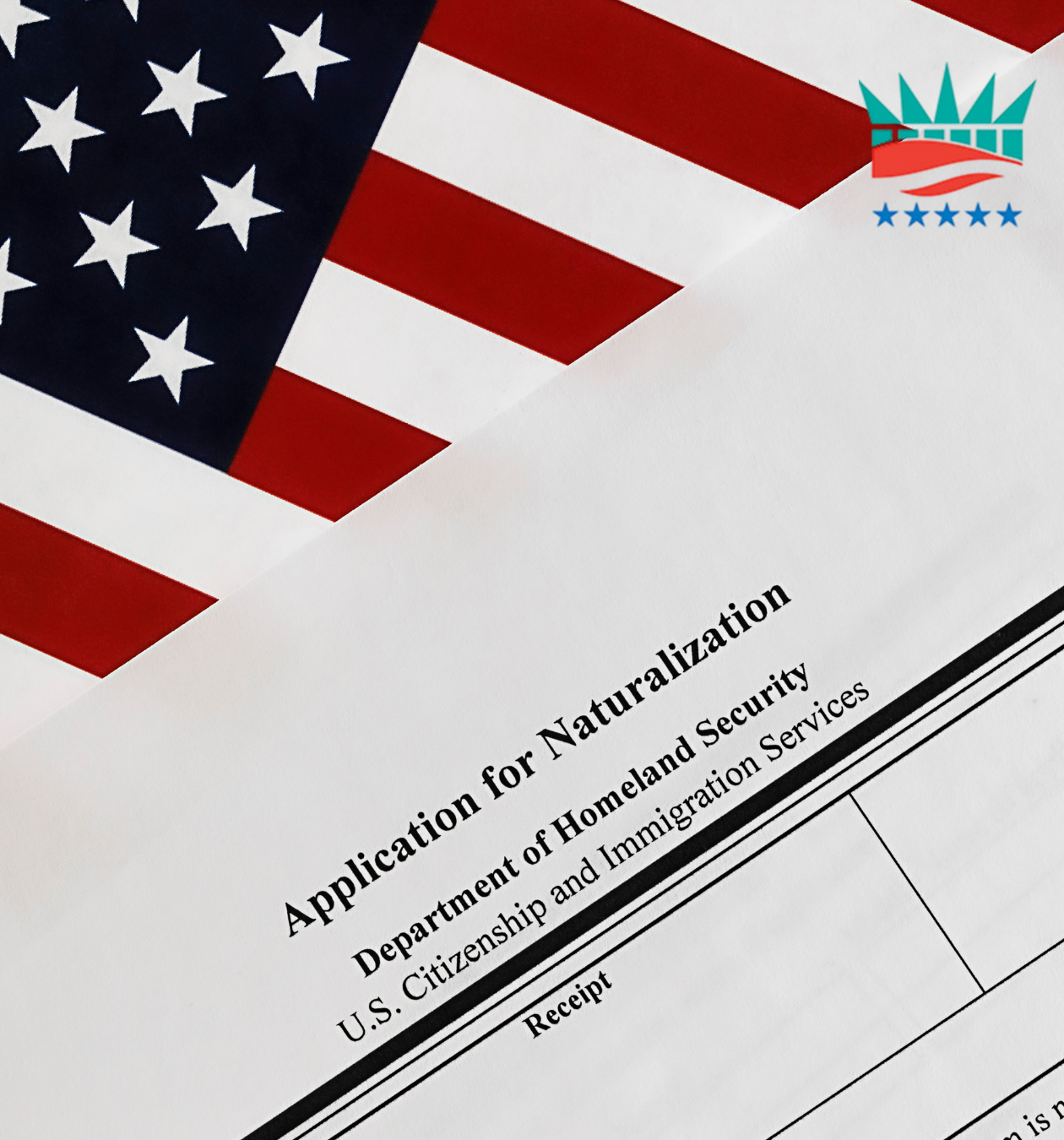
La naturalización es el proceso mediante el cual se otorga la ciudadanía estadounidense a un ciudadano o nacional extranjero después de que este cumpla con los requisitos establecidos por el Congreso en la Ley de Inmigración y Nacionalidad (INA). Esto se hace presentando el Formulario N-400 y la documentación de respaldo ante los Servicios de Ciudadanía e Inmigración de los Estados Unidos (USCIS). Esta es la forma más común en que las personas pueden convertirse en ciudadanos estadounidenses.
Mientras tanto, la Ciudadanía Derivada ocurre cuando una persona puede obtener la ciudadanía a través de sus padres ciudadanos estadounidenses al nacer, o después del nacimiento pero antes de cumplir los 18 años. El Congreso ha promulgado leyes que determinan cómo los padres ciudadanos estadounidenses transmiten la ciudadanía a los hijos nacidos fuera de los Estados Unidos. Esto se hace presentando el Formulario N-600 y la documentación de respaldo ante USCIS. Si usted cree que tiene derecho a la Ciudadanía Derivada, por favor contáctenos; tenemos experiencia en el procesamiento de este tipo de solicitudes.
Nuestra oficina ha ayudado a muchas personas a demostrar que han sido ciudadanos toda su vida, probando que lo eran al momento de su nacimiento.
NUESTROS ABOGADOS DE CIUDADANÍA ESTADOUNIDENSE EN TAMPA, FLORIDA HAN ESTADO AYUDANDO A INMIGRANTES A NATURALIZARSE DESDE 1997
Ventajas de convertirse en ciudadano estadounidense
Mediante naturalización

Vota en las elecciones
Solo los ciudadanos estadounidenses pueden votar en elecciones nacionales y locales, lo que les da voz en las comunidades y el país que llaman hogar.

No se puede deportar
Una vez que una persona es ciudadana estadounidense, no puede ser expulsada ni deportada del país por ningún motivo, asumiendo que la ciudadanía no se obtuvo de forma fraudulenta.

Prioridad Familiar
La ciudadanía estadounidense generalmente acelera el proceso de obtención de un estatus legal para familiares cercanos que el ciudadano desea traer a los Estados Unidos.
Requisitos para la naturalización
Existen varios requisitos para aquellos que deseen convertirse en ciudadanos estadounidenses a través de la naturalización.
01
Período legal
Residente permanente por al menos 5 años (o 3 años si la residencia permanente se otorgó a través del matrimonio con un ciudadano de los Estados Unidos). Existen excepciones especiales para aquellos que sirvieron honorablemente en el ejército durante tiempos de guerra.
02
18+
El solicitante debe tener al menos 18 años de edad al momento de presentar la solicitud de naturalización.
03
Residencia estatal de tres meses
El solicitante debe haber residido en el estado donde se presenta la solicitud durante al menos tres meses antes de la presentación.
04
Presencia física
El solicitante debe haber estado físicamente presente en los Estados Unidos durante al menos la mitad del plazo establecido por la ley y debe residir de manera continua en los EE. UU. desde la presentación de la solicitud hasta que se resuelva.
05
Conocimientos de Inglés y Cívica
El solicitante debe ser una persona de buena conducta moral por el período legal estatutario. El historial criminal, incluyendo arrestos, debe ser completamente revelado.
06
Conocimientos de Inglés y Cívica
El solicitante deberá demostrar un nivel elemental de lectura, escritura y comprensión del inglés, así como conocimientos fundamentales de la historia y el gobierno de los Estados Unidos.
El Requisito de Buen Carácter Moral
La falta de Buena Conducta Moral de un solicitante puede determinarse según lo descrito en la Sección 101(f) de la Ley de Inmigración y Nacionalidad (INA). Algunas razones para determinar la falta de Buena Conducta Moral incluyen, entre otras: ser un borracho habitual, haber cometido un delito relacionado con drogas, obtener ingresos principales del juego ilegal, haber sido condenado por dos o más delitos de apuestas, haber dado falso testimonio para cualquier beneficio migratorio, haber sido condenado en cualquier momento por un delito grave agravado, o haber estado confinado en una institución penal durante 180 días o más durante el período estatutario.
Existen otras razones por las cuales se puede considerar que un solicitante carece de buen carácter moral. La investigación de inmigración puede extenderse más allá del periodo estipulado por la ley; el solicitante debe explicar y presentar todos los antecedentes penales certificados sobre cualquier arresto anterior, sin importar hace cuánto tiempo haya ocurrido.
Importante: Algunos delitos harán que un solicitante sea susceptible de deportación. Si un solicitante tiene un delito que lo hace deportable, inmigración negará la solicitud de naturalización y colocará al solicitante en Procedimientos de Remoción.
Programe una consulta con uno de nuestros abogados de inmigración en Tampa si tiene alguna pregunta sobre delitos anteriores. ¡No corra el riesgo de ser sometido a un proceso de deportación antes de solicitar la naturalización!
El requisito del examen de inglés y civismo
Durante la entrevista de naturalización, a menos que un solicitante califique para una exención, se le requerirá que tome un examen de naturalización que consta de dos componentes: un examen de inglés y un examen de civismo.
El examen de inglés
Durante el examen de inglés, el solicitante debe demostrar comprensión del idioma inglés, incluyendo la habilidad de leer, escribir y hablar inglés básico. Se aplican exenciones para solicitantes de 50 años o más con 20 años de residencia permanente, o de 55 años o más con 15 años. Nota: incluso con una exención de idioma, la Prueba Cívica sigue siendo requerida.
El examen de civismo
Durante el examen de educación cívica, el solicitante responderá preguntas importantes sobre el gobierno y la historia de Estados Unidos. Hay 128 preguntas que debe estudiar. En el sitio web de USCIS se pueden obtener materiales de estudio gratuitos y ejemplos de preguntas. El solicitante puede rendir el examen de educación cívica en su idioma nativo con la ayuda de un intérprete calificado.
¿Por qué deberías contratarnos para
¿Tu solicitud de naturalización?
Como hay muchos beneficios que se pueden obtener al convertirse en ciudadano estadounidense, también existen riesgos de ser incluido en un proceso de deportación debido al historial penal y migratorio del solicitante. Todos los solicitantes deben asegurarse de cumplir con todos los requisitos legales para la naturalización, así como asegurarse de que su caso sea revisado y evaluado a fondo antes de decidir presentar la solicitud. Nuestro objetivo como su abogado de ciudadanía es garantizar que trabajemos diligentemente por su mejor interés. Revisamos minuciosamente su caso para confirmar si la naturalización es el mejor camino a seguir para usted. Las necesidades y metas de nuestros clientes son nuestra principal prioridad, y nos esforzamos por trabajar junto con ellos para alcanzar sus metas. Llámenos hoy al 813-226-2144 o envíenos un mensaje para que uno de nuestros abogados de naturalización le ayude.
¿Tiene alguna pregunta o necesita ayuda?
Habla con un abogado de inmigración con experiencia en Tampa.